ParcelVision
Encroachment vs. Easement: What is the Difference?
An easement is a legal right to use someone else's land for a specific purpose (like a utility line or shared driveway). An encroachment is an unauthorized physical intrusion onto a neighbor's property (like a fence or shed built over the property line).
When you're dealing with property boundaries, two words come up constantly: Easement and Encroachment. While they both involve someone using land they don't own, the legal difference between them is massive. One is a documented agreement; the other is a potential legal dispute.
What is an Easement?
An easement is a "non-possessory" interest in land. It means you have the legal right to use a portion of someone else's property, but you don't own it. Easements are typically recorded on the property deed or a subdivision plat.
Common examples of easements:
- Utility Easements: Power companies having the right to run lines across your backyard.
- Access Easements (Right of Way): A neighbor having the right to drive across your land to reach their own landlocked property.
- Drainage Easements: The city having the right to maintain a culvert or storm drain on your lot.
What is an Encroachment?
An encroachment happens when a neighbor builds a structure that physically crosses your property line without your permission. Unlike an easement, an encroachment is usually accidental but remains a violation of your property rights.
Common examples of encroachments:
- A fence built 2 feet onto your side of the line.
- A garden shed with an eave that overhangs your yard.
- A retaining wall or driveway that was poured slightly over the boundary.
Identify Boundary Issues Instantly
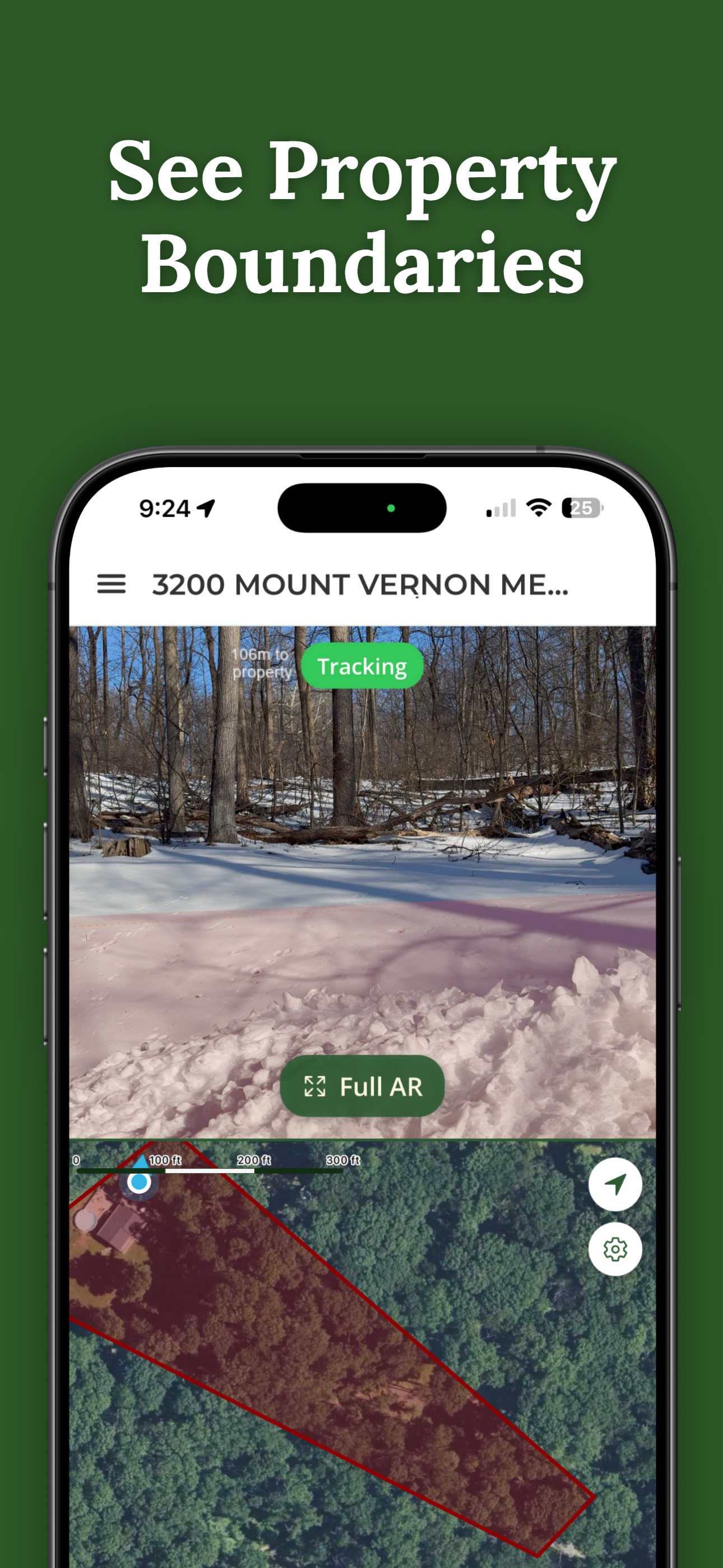
Think a fence or structure is crossing the line? ParcelVision lets you see your legal property boundaries in AR on your iPhone camera. Walk the line and see exactly where the encroachment begins.
Download ParcelVisionKey Differences at a Glance
The primary difference is permission. An easement is a legal, documented right. An encroachment is an uninvited intrusion.
- Documentation: Easements are in the public record (deeds/plats). Encroachments are usually only discovered during a survey or when using a property line app.
- Permanence: Easements typically "run with the land" forever. Encroachments can often be removed or settled with a boundary line agreement.
- Property Value: An easement is a known factor when buying a home. An encroachment can create a "cloud" on the title that makes a home difficult to sell.
How to Resolve an Encroachment
If you discover a neighbor's structure is on your land, you have a few options:
- Boundary Line Agreement: A simple document where you both agree on the new line or acknowledge the intrusion.
- Grant an Easement: You can formally give the neighbor permission to keep the structure there in exchange for a fee.
- Removal: Requesting the neighbor move the fence or structure.
This article is for informational purposes only. Boundary disputes and easements vary by state law. Always consult a real estate attorney or licensed land surveyor for legal advice regarding your specific property.