ParcelVision
Property Line Laws for Trees: Who Owns What?
In most states, a tree belongs to the person on whose land the trunk is located. If the trunk sits right on the boundary line, it is considered a "boundary tree" and is jointly owned by both neighbors. You generally have the right to trim overhanging branches back to the property line, provided you don't kill the tree.
Trees are the #1 source of property line disputes between neighbors. Whether it's a branch hanging over your pool or a neighbor cutting down a tree you thought was yours, the law is actually very specific about who owns what.
Here is a breakdown of your rights and responsibilities when a tree crosses the property line.
1. The "Trunk" Rule
Ownership is determined by where the trunk meets the ground. If the entire trunk is on your land, the tree is yours — even if 90% of the branches hang over the neighbor's fence. You are responsible for its maintenance and any damage it causes if it falls due to negligence.
2. Overhanging Branches & Roots
Most states follow the "Right of Self-Help." This means you have the right to trim branches or roots that cross onto your property. However, there are two major conditions:
- The Property Line Limit: You can only trim up to the vertical plane of your property line. You cannot step onto your neighbor's land to do it.
- No Tree Murder: You cannot trim the tree in a way that kills it or causes it to become a hazard. If you kill your neighbor's tree by over-pruning, you could be liable for its replacement cost.
Verify the Trunk Location Instantly
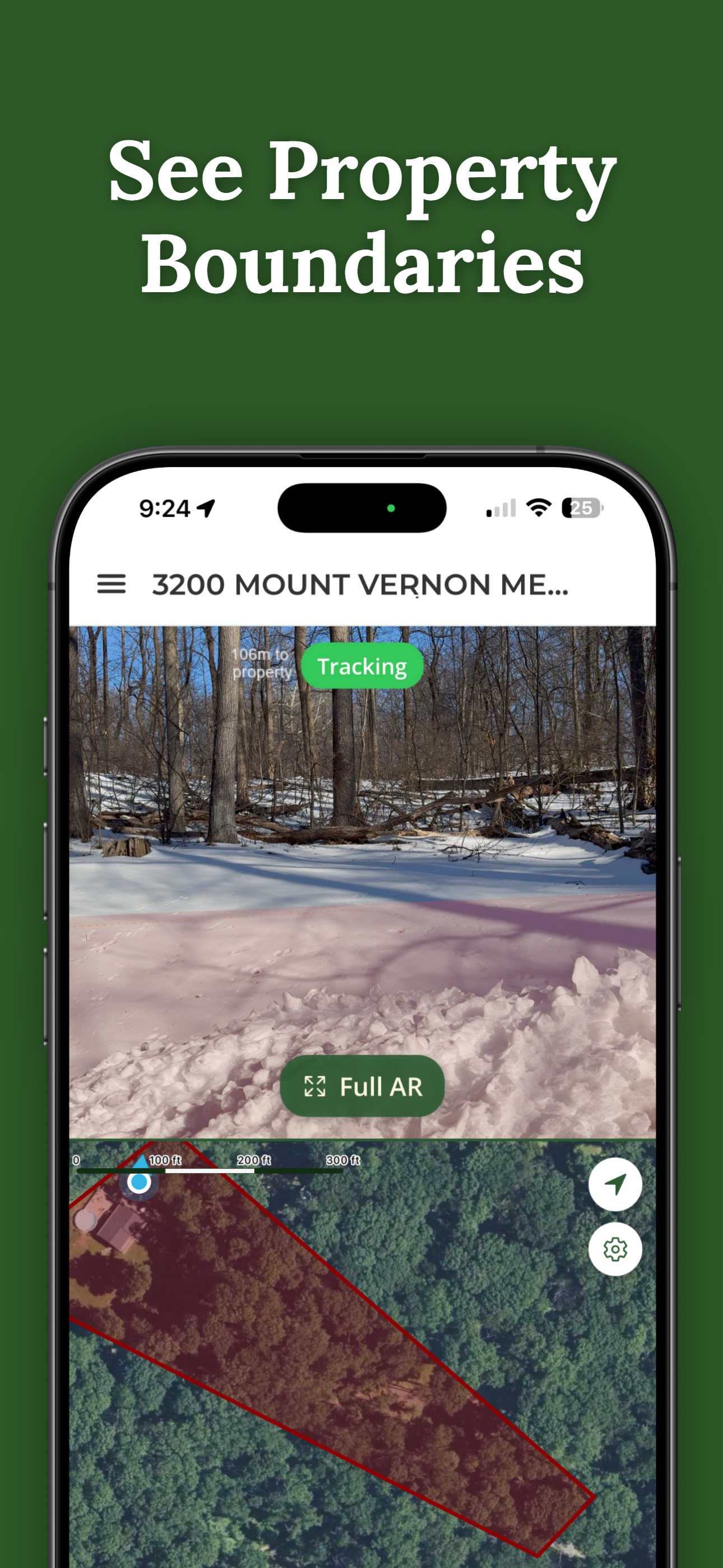
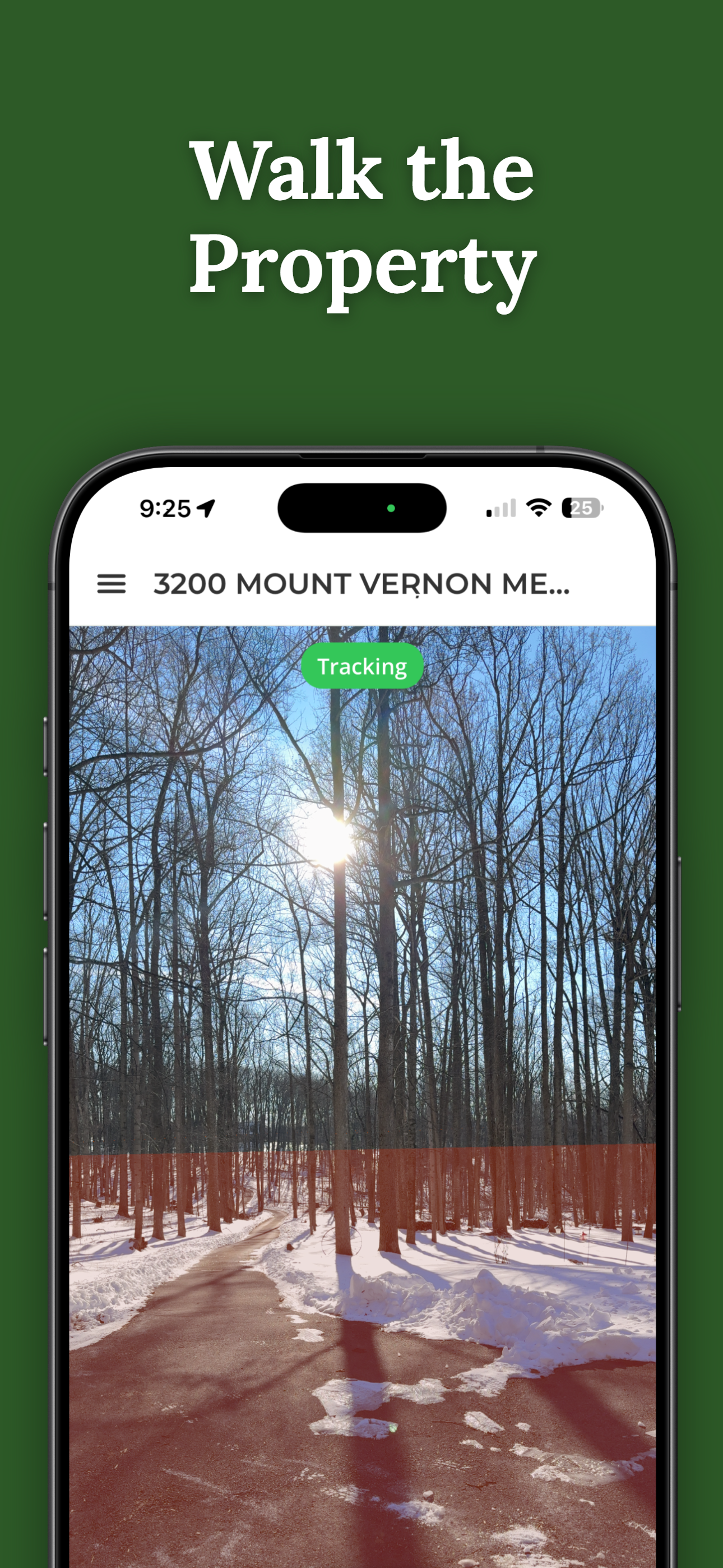
Before you hire an arborist or start trimming, make sure you know exactly where the line falls. ParcelVision lets you walk the boundary in AR so you can see if that trunk is truly on your side or the neighbor's.
Download ParcelVision3. Boundary Trees (Shared Ownership)
If the trunk of the tree sits directly on the property line, it is a **boundary tree**. In this case, neither neighbor can cut it down or perform major work on it without the other's permission. Both neighbors share the responsibility for its care.
4. Fallen Trees & Liability
If a tree falls across a property line during a storm, who pays?
- Act of God: If the tree was healthy and fell due to a storm, it's typically considered an "Act of God." Your own homeowner's insurance usually covers the cleanup on your side.
- Negligence: If the tree was dead or diseased and you knew about it but did nothing, you (or your insurance) could be held liable for the damage to your neighbor's property.
Important: Tree laws (Timber Trespass) vary by state. Some states allow for "triple damages" if a tree is wrongfully cut down. Always check your local State Property Line Laws before taking action.