ParcelVision
How to Find the Parcel Number for a Property
Almost every county land record is filed under a parcel number, not an address. You need it to pull up the assessor's record, search the recorder's office, request a survey, look a lot up on the county GIS map, or fill in a permit or title form. The good news: it takes a minute or two to find, and it's free.
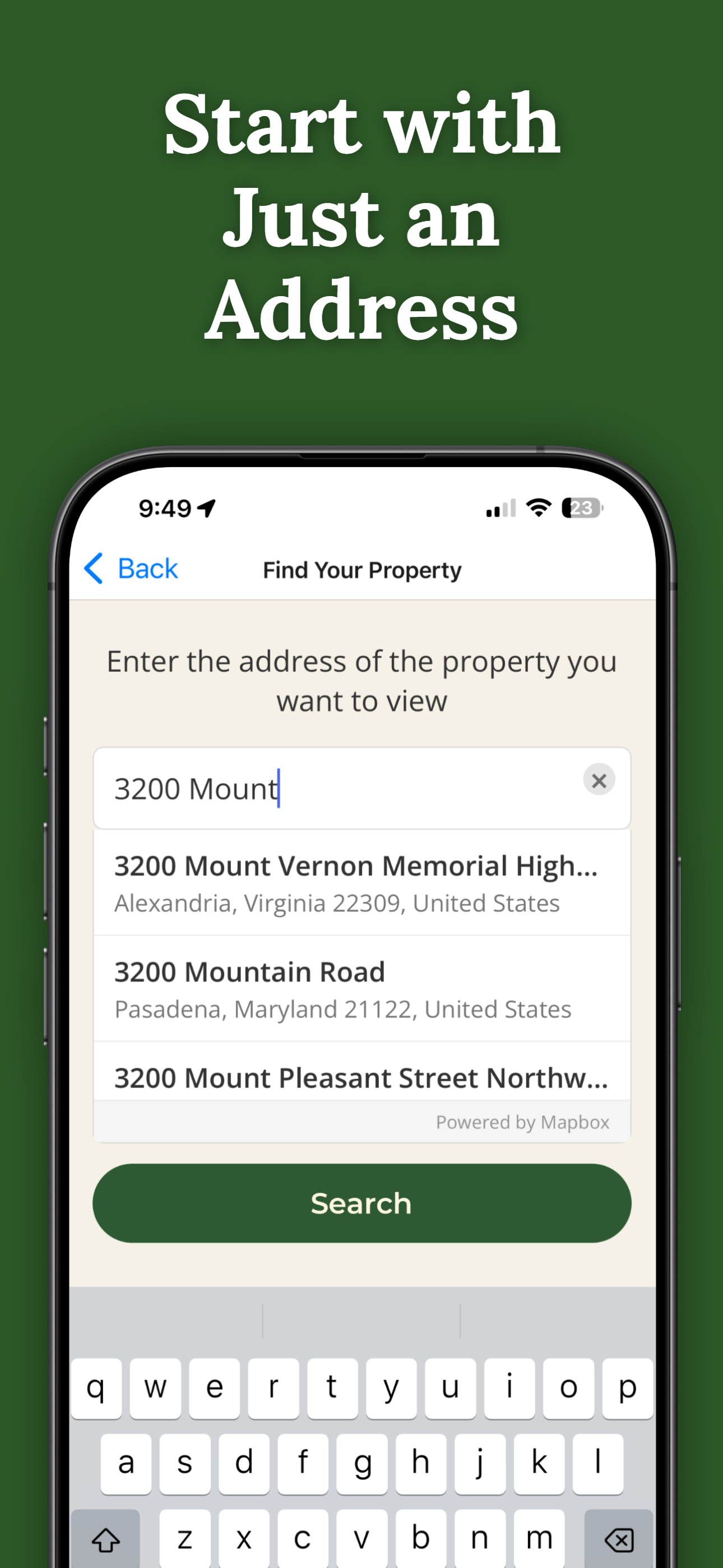
See the parcel and its lines. Search any address free in ParcelVision: the lot's parcel number and acreage show up before you pay anything.
Search Your Property FreeWhat a Parcel Number Is
A parcel number is the ID the county assessor gives each piece of taxable land. Counties call it different things: APN (Assessor's Parcel Number), parcel ID, PIN, tax ID, tax map number, folio number or account number. They all mean the same thing: one number for one parcel of land.
It identifies the land, not the house. If a parcel is split or combined with the one next door, the county issues new numbers.
1. Check Your Property Tax Bill
This is the fastest place to look. Every property tax bill and assessment notice prints the parcel number, usually near the top next to the owner's name and the property address. If you pay online, it's also on the county treasurer's payment page.
2. Look at Your Deed or Closing Papers
Most recorded deeds list the parcel number in the header or the legal description. If you bought recently, it's also on your title insurance policy and settlement statement. Older deeds sometimes carry a number the county has since changed, so if it doesn't work, use the next step.
3. Search the County Assessor's Website
Nearly every county assessor (called the property appraiser or auditor in some states) has a free property search. Search "[your county] assessor property search", enter the street address or the owner's name, and open the record: the parcel number is at the top. Because assessor records are public in most states, this works for any property in the county, not just your own.
4. Click the Parcel on the County GIS Map
County GIS parcel viewers let you find the land on a map instead of typing an address, which helps for vacant land and rural tracts with no street number. Zoom in, click the parcel, and the pop-up shows its number, acreage and owner. Our county parcel map directory links the official GIS viewer and assessor search for every U.S. county.
5. Call the Assessor's Office
If the county has no online search, call or visit the assessor's office with the address or the owner's name. They can read you the parcel number over the phone.
Why Parcel Numbers Look So Different
There is no national format. Some counties use a plain run of digits, some use dashes that spell out the map book, page and parcel, and some mix in letters for the township or section. When you search a county system with a parcel number, enter it exactly as that county prints it. If a search comes back empty, try it with and without the dashes and leading zeros before assuming the number is wrong.
Found the Parcel? Now See Its Lines.
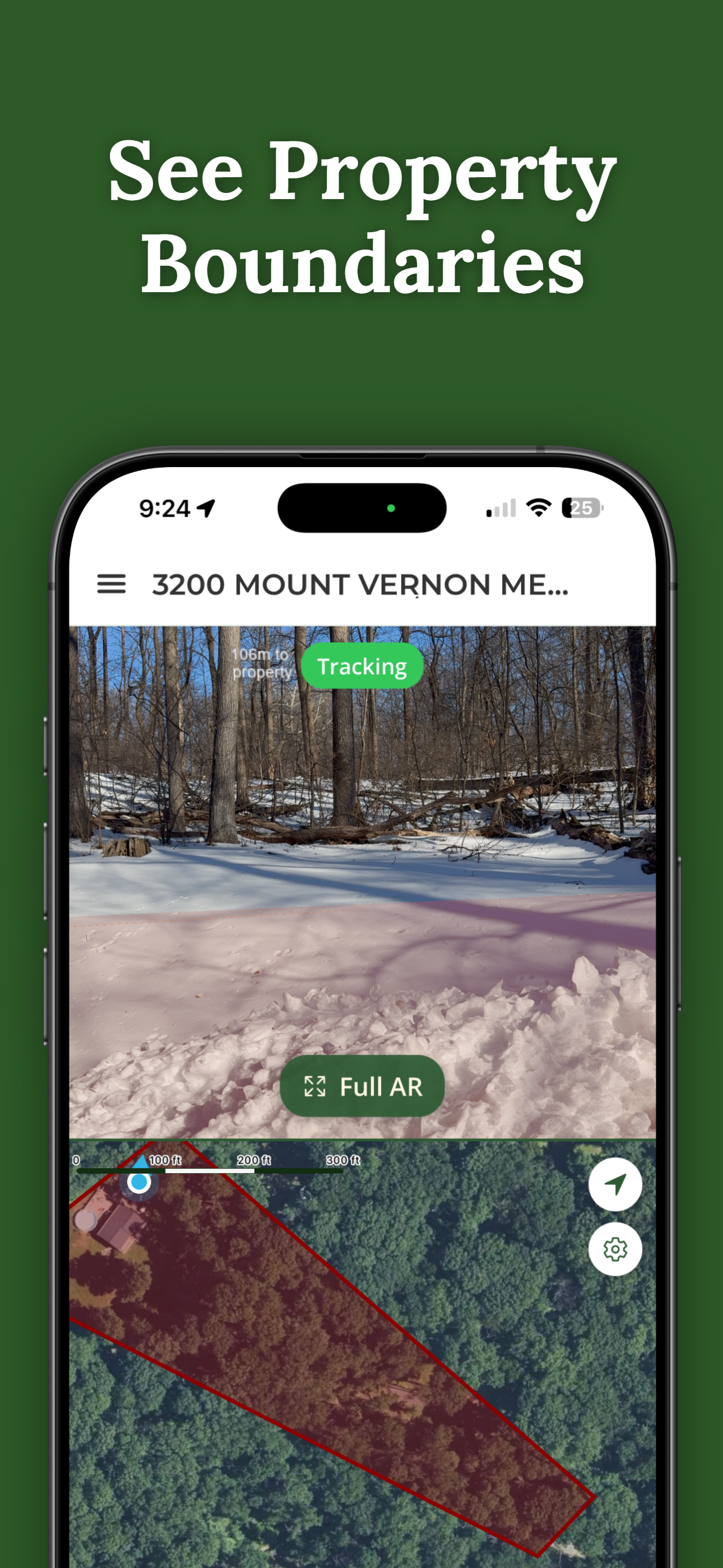
A parcel number tells you which piece of land you're looking at. ParcelVision shows that parcel outlined on the satellite map, with its parcel number and acreage, then draws the boundary on the ground through your phone's camera so you can walk it.
Search Your Property FreeFree to download and search. See your first boundary on the ground for $14.99.
Already have the number? In the app, tap Parcel ID, restore purchases & more on the map screen to search by parcel ID instead of by address.